
How to Stop Catastrophizing: When Your Mind Always Expects the Worst
Stop catastrophizing with simple, proven tips to calm anxious thoughts, break worst-case thinking, and feel more in control starting today.
Self-talk is the constant conversation running inside your mind. It shapes how you see yourself, how you react to challenges, and how you interpret the world around you. Every day, your inner voice comments on your decisions, mistakes, successes, and fears—often without you even noticing it.
Sometimes this voice acts like a supportive coach, encouraging you to keep going. Other times it behaves like a harsh critic, magnifying doubts and replaying past failures. The way you speak to yourself can influence confidence, motivation, and emotional balance more than you might expect.
Learning to recognize your self-talk is the first step toward improving it. Once you become aware of the patterns behind your thoughts, you can begin replacing destructive inner dialogue with more balanced and constructive perspectives. This doesn’t mean forcing constant positivity. Instead, it means developing a voice that is honest, calm, and supportive.
Strengthening self-talk helps create mental clarity, emotional stability, and resilience. When your inner dialogue works with you rather than against you, challenges feel less intimidating and progress becomes easier to sustain.
Stop catastrophizing with simple, proven tips to calm anxious thoughts, break worst-case thinking, and feel more in control starting today.

Improve your mindset and emotional wellbeing with a healthier mental diet, and learn how what you feed your mind shapes your thoughts, habits, and daily life.
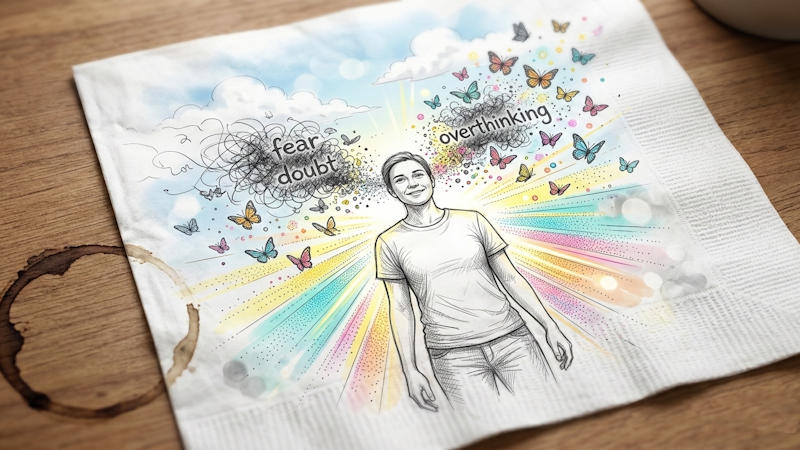
Learn practical strategies to stop feeding negative thoughts, break destructive thinking patterns, and train your mind to focus on clarity, confidence, and emotional balance.