
The Prisoner’s Dilemma feels like a simple thought experiment, yet it hides a truth you face every day. You’ve probably been in situations where trusting someone felt risky, but holding back felt just as painful. That tension is the pulse of this psychological puzzle. It’s the quiet battle between self-protection and connection. And it shows up in friendships, work, love, and even the way you talk to yourself.
You start to feel its weight whenever you try to decide whether someone deserves your openness. Your mind runs in circles. Should you open the door? Should you keep it shut? Every option echoes with consequences. And that’s why understanding the Prisoner’s Dilemma can change the way you think. It teaches you about people, yes—but it also teaches you about yourself.
This idea from game theory shows what happens when two individuals make choices under fear, pressure, and uncertainty. It’s a mirror reflecting the human condition. It shows how fear can overshadow cooperation, how incentives can twist good intentions, and how miscommunication can freeze progress.
It reminds you that life isn’t just about choosing right—it’s about choosing with courage.
The more you study this dilemma, the more you recognize its fingerprints in your daily interactions. Its lessons reach deeper than strategy; they push you to grow.
The Classic Story of the Prisoner’s Dilemma
Imagine two friends arrested for the same crime. They’re kept in separate rooms with no chance to talk. Each friend faces two choices: stay silent or betray the other. If both stay silent, they receive a light sentence. If one betrays and the other stays loyal, the betrayer walks free while the loyal friend suffers. And if both betray, they both face harsh punishment. The twist? Each one must choose without knowing what the other will do.
This simple setup reveals one of the most powerful puzzles in human behavior. Fear pulls them toward betrayal because no one wants to be the loyal one left with the worst outcome. But hope pulls them toward cooperation because staying silent together benefits both. That inner tug-of-war captures the soul of the Prisoner’s Dilemma.
You feel this pattern in your own life. You’ve trusted someone who held power over your heart. You’ve debated whether someone deserved your honesty. And you’ve felt that tiny voice warning you about betrayal.
This dilemma transforms that whisper into a map. It shows you how incentives shape behavior. It shows how fear breaks bonds. It explains why two good people can still make choices that harm each other. And it leaves you wondering: would you stay silent—or would you betray?
Why Humans Often “Defect” Under Pressure
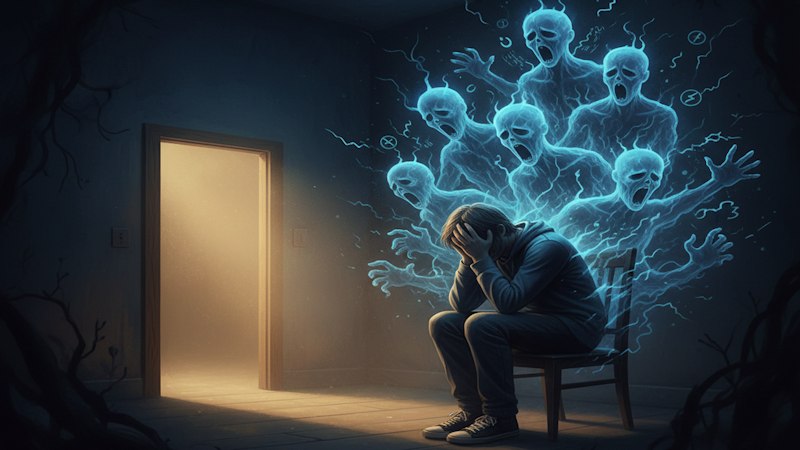
Fear pushes people to protect themselves, even when protection destroys the relationship. In the Prisoner’s Dilemma, choosing betrayal is called “defection.” It’s the defensive move. It’s the instinctive shield. And most people choose it, not because they’re cruel, but because they’re scared.
You’ve probably felt this urge too. The temptation to pull away before you get hurt. The impulse to hold back your feelings. The instinct to hide your real thoughts in case someone uses them against you. These reactions feel safe in the moment but often damage the very bonds you want to preserve.
This dilemma teaches you something powerful:
People rarely betray because they want to win. They betray because they want to avoid losing.
That shift changes everything. It explains why conflicts escalate. It explains why couples argue instead of listening. It explains why coworkers compete when they could collaborate. Fear whispers threats in your ear, turning potential partners into potential dangers.
And here’s the deeper truth: you carry this battle inside you. Even your self-talk follows this logic. You hold back on dreams because failure feels threatening. You stay in your comfort zone because trying feels risky. The Prisoner’s Dilemma doesn’t just describe human behavior—it describes the courage you need to live fully.
The Prisoner’s Dilemma in Cooperation: The Bold Choice That Feels Dangerous at First
Cooperation sounds like the obvious answer, yet it demands courage that doesn’t come easy. In the Prisoner’s Dilemma, cooperating means trusting the other person enough to stay silent. It means choosing vulnerability. It means betting on kindness in a world where fear feels safer.
You make this choice in real life whenever you communicate openly. Whenever you show care without expecting applause. Whenever you forgive even though your heart still aches. These moments go against the instinct to defend yourself, yet they build the strongest connections.
But cooperation requires more than soft feelings. It requires strategy—clear expectations, honest dialogue, and shared goals. Without them, cooperation collapses. That’s why relationships fall apart when communication breaks. Silence becomes suspicion. And suspicion becomes conflict.
Psychologists often compare cooperation to planting seeds. You don’t see results immediately. You water the ground, pull the weeds, and trust that something beneath the surface is growing.
That’s what courage feels like—acting before proof arrives.
The Prisoner’s Dilemma reminds you that cooperation is never the “easy” road. It’s the meaningful one. It’s the choice that transforms strangers into allies and partners into teammates. And it invites you to ask yourself one question: where in your life do you need the bravery to trust again?
The Prisoner’s Dilemma in Love and Relationships

Romantic relationships face this dilemma more than any other area of life. Two people want closeness, yet both fear getting hurt. Each person worries they may give more than they receive. Each wonders whether loyalty will be returned—or punished.
This fear creates defensive patterns. One partner hides their feelings because vulnerability feels risky. The other pulls back because they sense distance. Suddenly both are withholding love while assuming the worst about each other’s intentions. The classic Prisoner’s Dilemma unfolds right inside a relationship.
You may recognize this pattern:
- You wanted to open up but worried about being judged.
- You wanted to forgive but feared being taken for granted.
- You wanted to trust but memories of old wounds held you back.
These choices often feel like self-protection, yet they create cycles that damage the bond. That’s the painful irony. Love thrives on cooperation, but fear pushes partners toward defection.
Relationship coaches often say that intimacy grows when both people agree to “stay in the room” emotionally. That’s another way of describing cooperation.
The real breakthrough happens when two hearts choose courage over fear—even when old scars whisper warnings. When both cooperate, love becomes a safer and stronger place to grow.
The Prisoner’s Dilemma in Friendships and Family
Friendships and family dynamics carry their own version of this puzzle. You’ve probably felt moments where honesty clashed with safety. You wanted to share the truth, but you feared upsetting someone you care about. You wanted to ask for support, but you worried about appearing weak. These silent calculations mirror the classic setup.
This dilemma appears in everyday scenarios:
- A friend hides their struggles to avoid burdening others.
- A sibling keeps secrets because they want to avoid conflict.
- A parent avoids vulnerability because they think strength means silence.
Each person thinks they’re protecting the bond. Each one ends up creating distance.
Family therapists often emphasize that trust is built through repeated cooperation. Small acts of honesty. Small acts of kindness. Small acts of loyalty. These behaviors change the emotional atmosphere in a home. They shift patterns that once felt carved in stone.
The Prisoner’s Dilemma in family life isn’t about big betrayals. It’s about the small daily decisions to speak with kindness even when you’re tired. It’s about the courage to apologize first. It’s about the humility to understand another perspective. Cooperation becomes the bridge that keeps relationships strong even through storms.
The Prisoner’s Dilemma in Work and Business

Work environments turn the Prisoner’s Dilemma into a daily challenge. Coworkers, teams, and leaders constantly choose between collaboration and competition. Trust can raise performance. Fear can sabotage it within days. Incentives push people toward one direction or the other.
Employees hold back ideas because they worry someone might take credit. Managers avoid honest conversations because feedback can trigger tension. Teams hide small mistakes to avoid blame. Every one of these choices mirrors the classic two-prisoner setup. And the outcome is predictable: less cooperation, more conflict, slower progress.
The most successful workplaces reward trust. They create systems where people benefit more from supporting one another than undermining each other. This mirrors the “cooperate-cooperate” scenario in game theory. Everyone wins more when fear steps aside and openness takes the lead.
Professional growth also depends on this principle. You climb further when you collaborate. You learn faster when you admit what you don’t know. You build stronger networks when you value shared success.
The Prisoner’s Dilemma teaches you that influence grows through cooperation, not fear-based self-defense.
And it invites you to see every workplace relationship as a chance to choose courage over suspicion.
Breaking the Cycle: How to Rise Above Fear
Escaping the Prisoner’s Dilemma starts with understanding your fear patterns. You can’t shift your choices if you don’t recognize the voice inside you that always expects the worst. That voice isn’t evil. It’s protective. But protection without awareness becomes limitation.
The first step is honest reflection. Ask yourself:
- Where do I hold back because I fear disappointment?
- Where do I choose self-defense even when cooperation could help?
- Where do old wounds shape my expectations?
These questions open doors that fear once kept shut.
The second step is small acts of courage. You don’t need a dramatic transformation. You need moments where you choose calm communication over assumptions. Moments where you trust yourself enough to speak honestly. Moments where you forgive without erasing your boundaries.
The third step is choosing environments that reward cooperation. Surround yourself with people who value growth, kindness, and truth. They change the emotional climate around you.
Breaking the cycle isn’t easy, but it’s possible. The Prisoner’s Dilemma teaches you that your choices shape your relationships. And the choice to be brave—even in small doses—creates lifelong patterns of connection rather than loops of conflict.
The Deeper Meaning: A Mirror for the Human Spirit

The Prisoner’s Dilemma feels like psychology, but it behaves like philosophy. It’s a puzzle that forces you to confront the tension between self-interest and compassion. It pushes you to think about who you want to be when fear whispers danger. And it challenges you to redefine strength.
Stoic philosopher Epictetus wrote, “No great thing is created suddenly.” Cooperation follows the same rule. It grows slowly. It requires consistency. It demands emotional effort. But it always reshapes your life for the better.
This dilemma also reveals something beautiful:
People want to trust. People want to connect. People want to do good—fear simply interrupts the process.
Once you see this truth, the world appears softer. Other people’s defensive behaviors make more sense. You begin to interpret reactions with more compassion. You get better at choosing patience instead of frustration. And you become someone who builds bridges instead of walls.
This is why the Prisoner’s Dilemma remains a symbol of human growth. It teaches you to look beyond fear. It teaches you to recognize incentives shaping behavior. And it teaches you that cooperation isn’t weakness; it’s wisdom.
Final Thoughts: Your Choices Shape Your Future
Every day, you face your own version of the Prisoner’s Dilemma. You choose whether to trust or withdraw. You choose whether to speak honestly or stay silent. You choose whether to build bridges or fortify emotional walls. These small decisions shape the direction of your relationships, career, and personal happiness.
The deeper lesson is simple:
Fear shrinks your world. Courage expands it.
This doesn’t mean recklessness. It means thoughtful bravery. It means choosing cooperation when the situation calls for unity. It means protecting your heart without imprisoning it. And it means remembering that relationships—romantic, familial, professional—grow when both sides choose openness.
So ask yourself:
Where can you choose cooperation today?
Where can you replace suspicion with curiosity?
Where can you become the person who builds trust rather than waits for others to prove themselves?
Your life will change the moment you choose courage over fear.
The Prisoner’s Dilemma isn’t just a game theory concept—it’s a guide reminding you that powerful things happen when you choose connection over protection.
SHARE THIS