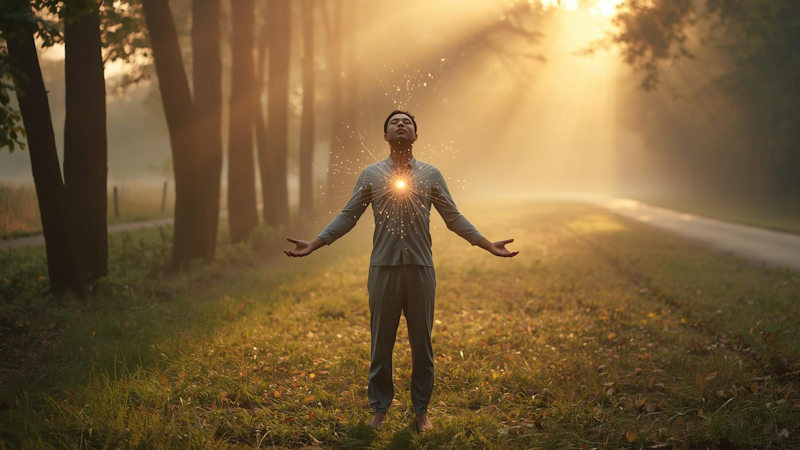
Your body remembers stress even when your mind tries to forget it.
Have you ever noticed tight shoulders after a long day?
Or a stiff neck when something worries you deeply?
Those sensations aren’t random. Your body quietly stores emotional pressure in muscles, hormones, and the nervous system.
Stress behaves like a pressure cooker. If you never release the steam, pressure builds slowly inside your body.
Your brain triggers survival responses through the Autonomic nervous system, which controls fight-or-flight reactions. When stress repeats daily, your body stays stuck in alert mode.
The result?
- tight muscles
- restless sleep
- constant overthinking
- fatigue that refuses to disappear
The good news is simple. Your body also knows how to release that stress.
You just need to activate the right signals.
This guide will show 7 powerful ways to release stored stress from your body naturally.
Each technique is simple, practical, and surprisingly powerful.
Ready to feel lighter again?
1. Reset Your Nervous System with Deep Breathing
Breathing slowly is the fastest way to calm a stressed body.
Your breath directly controls the Vagus nerve, which regulates relaxation signals in the body.
Short, shallow breathing tells your brain danger is nearby. Slow breathing tells your brain everything is safe.
Think of breathing as a remote control for your nervous system.
Try this simple reset technique:
The 4-4-8 Breathing Method
- inhale slowly through your nose for 4 seconds
- hold the breath for 4 seconds
- exhale slowly through your mouth for 8 seconds
Repeat this cycle for 3 to 5 minutes.
The longer exhale sends a strong signal of safety to your brain.
Within minutes, your body starts releasing tension hormones like Cortisol.
Your heart rate slows.
Your shoulders drop naturally.
Your brain shifts from survival mode into recovery mode.
Breathing sounds simple. Yet it works like a biological reset button.
2. Move Your Body to Burn Stress Energy
Stress hormones exist for one reason: movement.
Thousands of years ago, humans ran, fought, or climbed when danger appeared.
Modern stress rarely allows that release. Emails, bills, and deadlines keep you sitting still.
That trapped energy remains circulating inside your body.
Movement acts like a pressure valve.
Even moderate activity releases mood-boosting chemicals such as Endorphins.
You don’t need intense workouts. Simple activities work beautifully:
- brisk walking
- dancing to music
- stretching
- cycling
- light jogging
A 20-minute walk can dramatically lower stress hormones.
Movement also improves circulation. Fresh oxygen reaches muscles that have stayed tense for hours.
Ever notice how problems feel smaller after a walk?
That isn’t coincidence. Your brain literally changes chemistry through movement.
So stand up. Move your body. Release the tension physically.
3. Relax Your Muscles to Release Hidden Tension
Muscle tension often holds emotional stress silently.
Your jaw tightens when frustrated. Your shoulders rise during pressure. Your back stiffens after long stress cycles.
Over time, muscles forget how to relax.
This technique retrains them quickly.
It is called Progressive Muscle Relaxation.
The idea is simple: tighten muscles first, then release them fully.
Follow this sequence slowly:
- clench your fists for five seconds
- release them slowly
- lift your shoulders tightly
- drop them completely
- tighten your stomach muscles
- relax them fully
Move through your entire body gradually.
Common stress storage points include:
- jaw
- neck
- shoulders
- upper back
- stomach
When muscles relax, your brain receives calming feedback signals.
Your nervous system shifts away from emergency mode.
People often feel warmth or lightness after this exercise.
That sensation means tension finally left your muscles.
4. Express Emotions Instead of Suppressing Them
Unexpressed emotions often transform into physical stress.
Many people swallow feelings silently. Anger, sadness, disappointment, and fear stay trapped inside.
Your brain still processes those emotions even if you ignore them.
Suppression keeps the nervous system alert.
Expression releases emotional pressure.
Healthy emotional outlets include:
- journaling thoughts freely
- speaking with a trusted friend
- creative activities like painting or music
- laughter and humor
- crying when emotions overflow
The brain’s Prefrontal cortex helps regulate emotions once you acknowledge them.
Writing in a journal works surprisingly well.
When you put feelings on paper, your mind organizes chaotic thoughts.
Suddenly problems look clearer.
Emotion isn’t weakness. Emotion is information.
Release it honestly. Your body will thank you.
5. Use Somatic Techniques to Reset the Body
Somatic techniques focus on body sensations instead of thoughts.
Stress often lives in physical patterns stored in the nervous system.
Somatic practices help your body discharge that trapped energy naturally.
Animals provide a fascinating example.
After escaping danger, animals shake their bodies intensely for several seconds.
That shaking resets their nervous system instantly.
Humans rarely do this anymore.
You can recreate this effect with simple practices:
- gentle body shaking for one minute
- grounding exercises using touch and breathing
- body scanning meditation
- trauma release exercises (TRE)
These techniques influence the Autonomic nervous system, which controls stress responses automatically.
During a body scan meditation, slowly focus attention on each body part.
Notice sensations without judgment.
That awareness alone can release tension.
Your body constantly sends signals. Most people simply ignore them.
Somatic methods reconnect your mind with your physical state.
The result often feels surprisingly calming.
6. Sleep Deeply to Repair Your Stress System
Sleep is the body’s natural stress-recovery laboratory.
During deep sleep, the brain processes emotional experiences from the day.
Hormone levels reset. Muscle tissue repairs. Brain cells reorganize memory.
Without good sleep, stress accumulates rapidly.
Your body keeps producing cortisol longer than necessary.
You wake up already tired and tense.
Improve sleep quality with simple adjustments:
- reduce screen exposure before bedtime
- keep the bedroom dark and cool
- maintain a consistent sleep schedule
- avoid caffeine late in the day
- practice calm breathing before sleeping
Quality sleep restores balance inside the nervous system.
Many people feel emotionally lighter after one good night of rest.
Sleep acts like an overnight reset for both brain and body.
Protect it seriously.
7. Spend Time in Nature to Calm Your Mind
Nature naturally lowers stress levels in the human body.
Your brain evolved in forests, rivers, and open landscapes.
Modern environments rarely provide those calming signals.
Noise, screens, and traffic constantly stimulate the brain.
Nature produces the opposite effect.
Research shows that time outdoors lowers stress hormones and heart rate.
Even 10 to 20 minutes outside can calm the nervous system.
Helpful outdoor activities include:
- walking in a park
- sitting under trees
- gardening
- watching the ocean or a river
- hiking in quiet areas
Natural light also regulates your body’s internal clock.
Your mood improves. Your focus sharpens.
Think of nature as emotional medicine without side effects.
Your body relaxes simply by reconnecting with the environment it evolved in.
The Daily Stress-Release Formula
You don’t need complicated routines to release stress effectively.
Small daily habits create powerful results over time.
Try this simple daily formula:
- 5 minutes of slow breathing
- 20 minutes of movement
- 10 minutes of reflection or journaling
- 7-8 hours of sleep
These small habits gradually retrain your nervous system.
Over time, your body learns safety again.
Stress still appears. But it no longer dominates your system.
Final Thoughts: Your Body Wants to Heal
Your body already knows how to release stress.
The real challenge is remembering to give it the chance.
Stress becomes dangerous only when it stays trapped for too long.
Movement, breathing, sleep, emotional expression, and nature create powerful release pathways.
Start with one technique today.
Then add another tomorrow.
Ask yourself a simple question tonight:
What small habit can help my body relax today?
Your nervous system constantly listens to your actions.
Choose actions that signal safety.
With practice, calm becomes your new normal.
And that is one of the greatest gifts you can give yourself.
SHARE THIS